
What Makes It Hard Is What Makes It Good

I am writing this from Stumptown Coffee Roasters at 30 W 8th St in the Greenwich Village neighborhood of Manhattan in New York City. I am drinking a cold brew, and I have the best seat in the coffee shop. I have a direct look into the laptop screen of the person in front of me. She’s texting her friends while flipping back and forth between a research paper she’s working on. 9.2/10 cold brew (it’s actually really good).
Stumptown Coffee Roasters is credited with pioneering the modern “cold brew” movement. Making a Stumptown cold brew is a shockingly painstaking and arduous process. After doing some research I learned:
They steep their grounds for a full 16 hours at room temperature and then double-filter the result.
Stumptown treats their coffee like raw milk or craft beer. It is kept under constant refrigeration and pressurized with nitrogen from the moment it’s brewed until it hits your cup. This requires a specialized, expensive supply chain and heavy kegerator equipment in every shop.
While most shops use older, lower-grade beans for cold brew (assuming the cold process hides flaws), Stumptown uses their premium, single-origin Arabica.
All of this extra work, time, and effort creates a product that might be, what, marginally better than the cold brew from the chain across the street? Why go through all of that?
Because what makes it hard is what makes it good. Stumptown’s competitive advantage is that they are willing to outwork their competition. Coffee is such a commodity. It’s very simple. It’s very hard to differentiate coffees the same way you can differentiate cupcakes. So how do you give yourself an advantage? You do the hard things over and over again because nobody else is willing to.
The result is better coffee but also some bravado. A little bit of extra confidence and swagger. Because if you keep doing the hard thing over and over, the divide between you and your competitors keeps increasing.
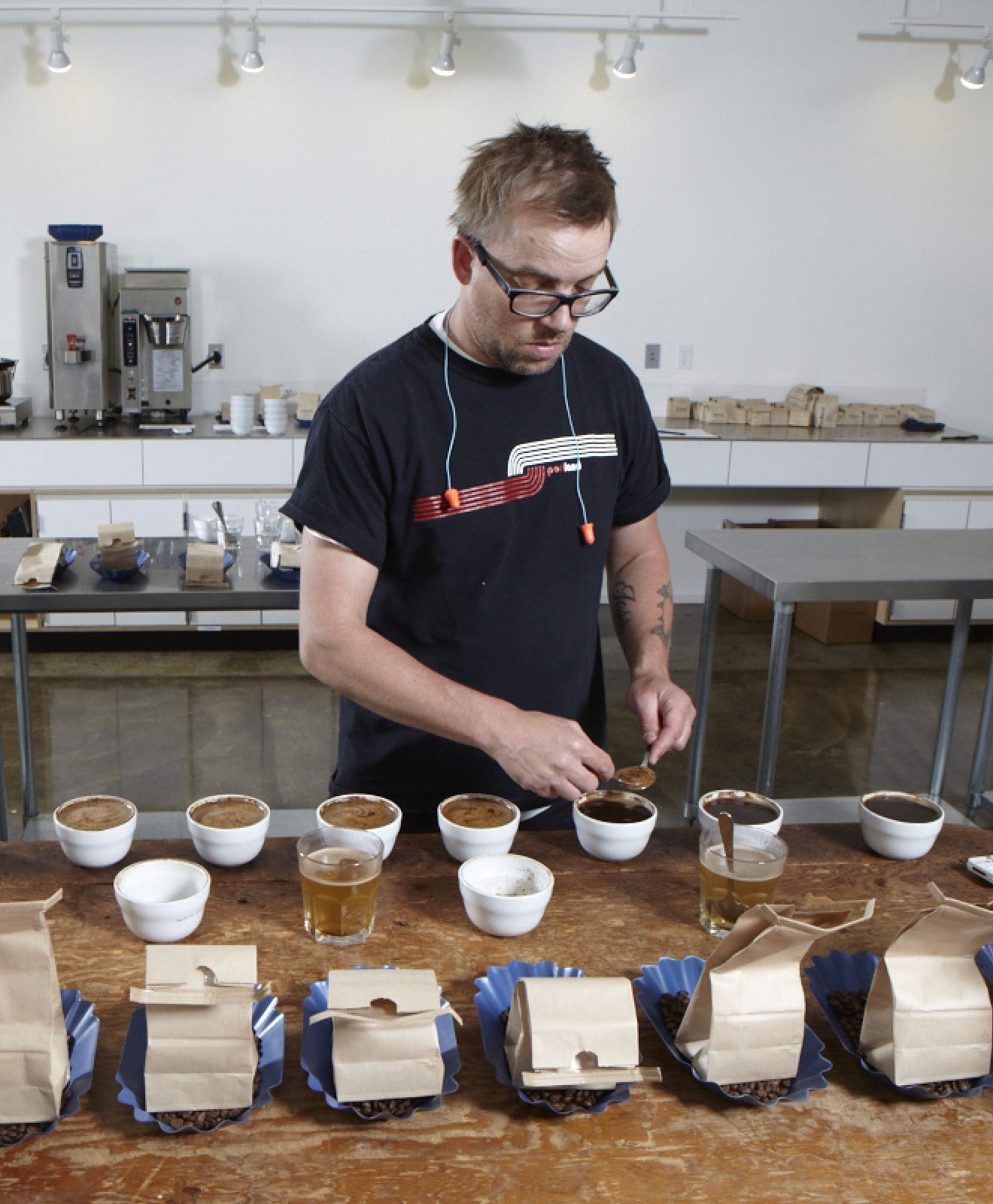
“Drinking coffee is a pleasure. Coffee drinking is fun, and it feels good, and underlying all our hard work is pride in cultivating pleasure.”
—Jim Kelso,
Director of Quality Assurance
By nature, we all look for an easy way out. How can we accomplish a given task in the quickest and easiest way possible? We recall how we did this task in the past, we replicate our process, and we get a similar result to what we are accustomed to and worked for us in the past.
But what if we started embracing difficulties in our work? What if we gravitated towards the unknown? What would happen if we made our process as difficult as possible? Well, one award winning movie director has embraced this mindset throughout his career.
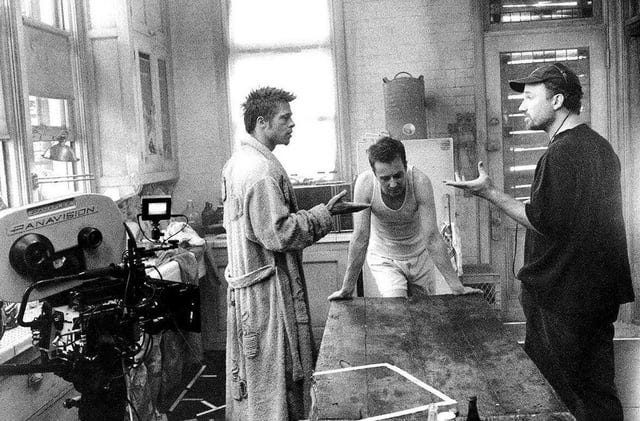
David Fincher is the director behind movies like Zodiac, The Social Network, Gone Girl, and Fight Club. Fincher is infamous for requiring actors to do up to 100+ takes for a single scene. There is an example of this where Jake Gyllenhaal had to open up a door 125 times for a scene in Zodiac. Can you imagine how mentally draining that must be?
David Fincher wants his actors to stop acting and start “being”. It’s not easy, but what makes it hard is what makes it good. And one could argue that the reason David Fincher has been so successful is because he’s willing to push his actors and do things difficult where other directors might settle for Take 57 because they just want to move on.
Every time David does the harder thing, he widens the gap between him and his competition. Reminds me of Kobe Bryant.
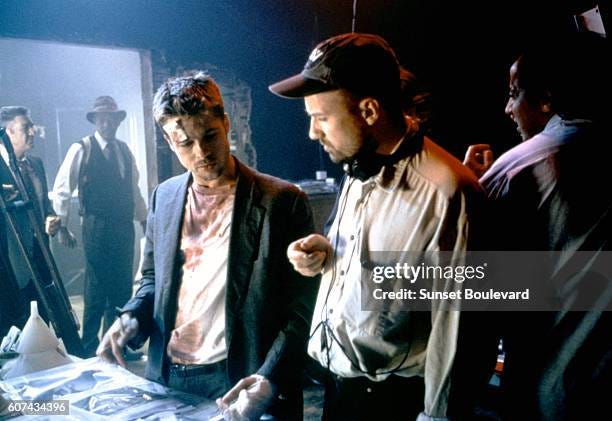
"People will say, 'There are a million ways to shoot a scene,' but I don't think so. I think there are two, maybe. And the other one is wrong." - David Fincher
Kobe’s most famous “hard” choice was starting his day at 4:00 AM. Most NBA players practiced twice a day (starting around 10:00 AM and again in the afternoon). By starting at 4:00 AM, Kobe could fit in four full workouts a day while his peers did two.
Kobe famously explained that if you do two more hours of work than everyone else every single day, after five or six years, the gap is so large that it doesn’t matter how hard the other players work in the summer, they can never catch up. What makes it hard is what made Kobe good.
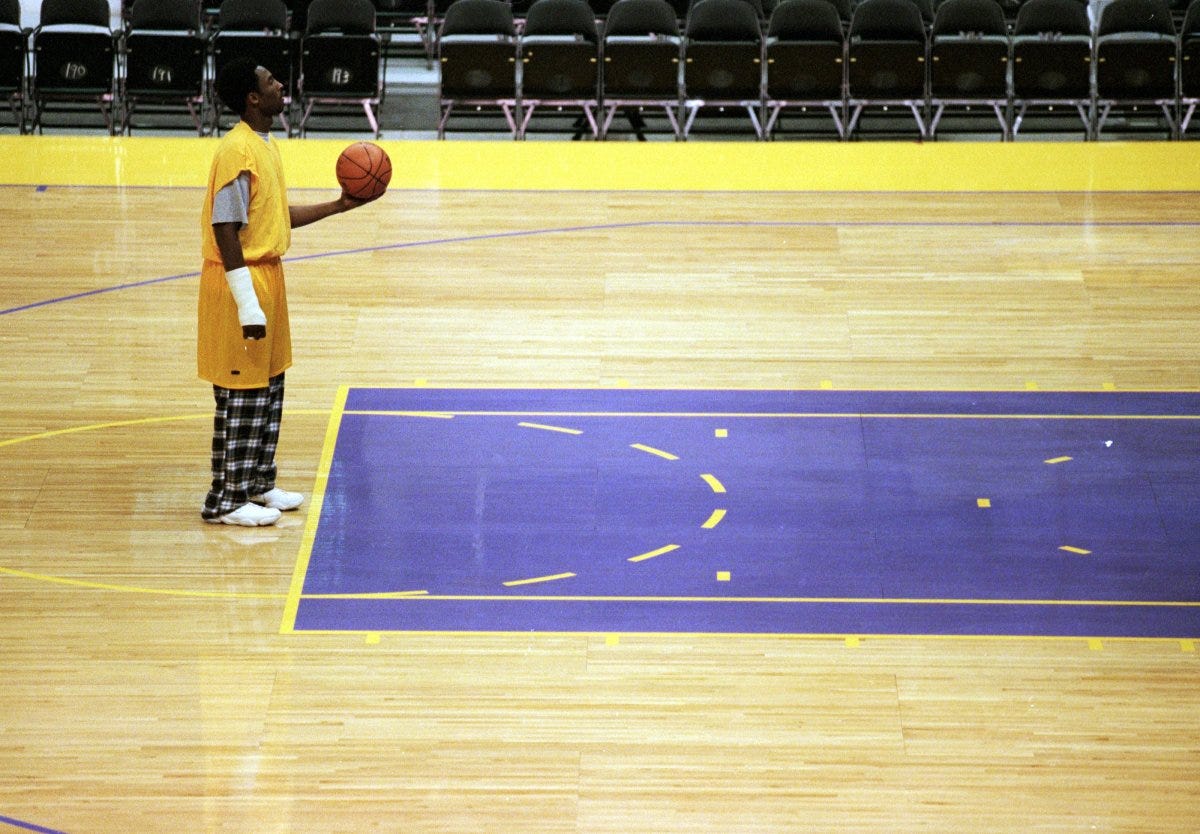
"I can’t relate to lazy people. We don’t speak the same language. I don’t understand you. I don’t want to understand you." - Kobe Bryant
What I think is an important distinction is that these people aren’t doing something hard just for the sake of doing something hard. They’re doing something they know will make them/their output better. And often times, the things that make something better than the competition is the thing that requires more effort. It’s kinda simple math. If less people are willing to do the hard thing, the more valuable the output of the hard thing is, because it’s unique and simply put, better.
Not to go Rick Rubin mode, but if you have a great idea, it’s pretty much your responsibility to do what it takes to bring that idea to life in the most true and authentic way possible. Like you owe it to us. With great power comes great responsibility type beat.
Rick Rubin worked with the Red Hot Chili Peppers for their album Stadium Arcadium. He made them write 38 completed songs. For most artists, 10 good songs is its own beast. Rubin believed that "perfectionism is a cap on the upside." By forcing the artists to produce a massive volume of work, he makes them stop being precious with every note. It’s a very difficult thing to write 38 completed songs just to not use like half of them. But this difficult process is what made the album good.
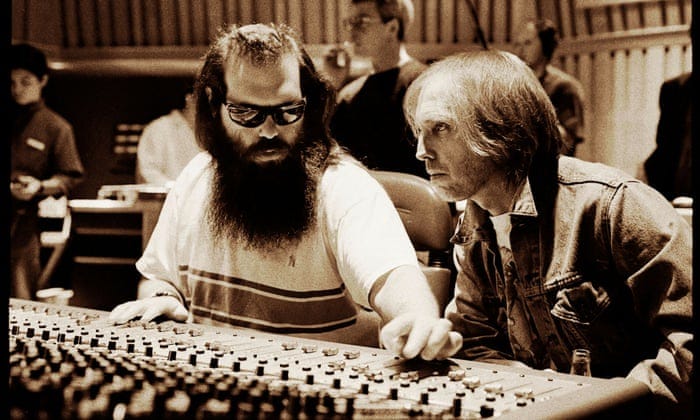
"Shortcuts avoid the discomfort of challenging our prevailing beliefs, so our worldview continues to shrink." - Rick Rubin
I think it’s a fun exercise to stop yourself the next time you start a task and want to do the comfortable and easy thing. Ask yourself, “what would make this harder?” because often times, that’s the exact thing that will make it better.
Sorry this wasn’t that funny. Deal with it.
- jack
Putting in hours of hard work and effort into anything quietly always pays back. The problem is you don’t get compensated for quiet hard work so people are less motivated short term.